Essential information about the Human Papillomavirus (HPV) and it’s connection to cervical cancer, the importance of regular cervical screening tests and how often you should have them.
(Image Credit: @RyanKing999 via canva.com)
What is the cervix?
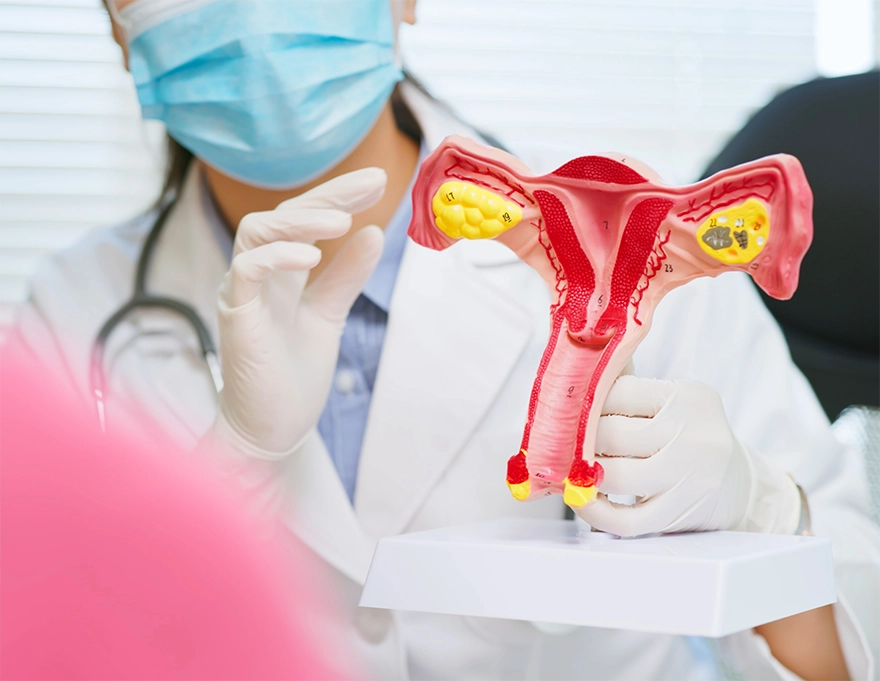
The cervix is the narrow part of the uterus which opens into the top of the vagina.
What is cervical cancer?
Sometimes the cells that line the cervix change over time and become abnormal. These abnormal cells can grow very quickly and develop into cancerous cells. Cancer of the cervix is almost always due to cell changes caused by infection with Human Papillomavirus (HPV).
HPV and cervical cancer
Almost all cervical cancers are caused by HPV. HPV is an extremely common virus that around 90% of people will have at least once in their lifetime. It is transmitted very easily during sexual activities through skin-to-skin or skin-to-mouth contact of the genital parts of the body. Most people will never know they have an HPV infection, except when it is found during a Cervical Screening Test. Most HPV infections do not cause symptoms, and the body usually clears the infection by itself within 1-2 years. It is only when an HPV infection is persistent (which means it stays in the body for a long time) that it can cause changes to the cells in the cervix. These cell changes can, over many years, lead to cancer of the cervix if they are not found and treated early.
(Image Credit: @Science Photo Library via canva.com)
Cervical screening
The Cervical Screening Test looks for the presence of HPV. Having a Cervical Screening Test every 5 years is the best way to protect yourself from developing cervical cancer. The National Cervical Screening Program recommends that women and people with a cervix aged 25 – 74 have a Cervical Screening Test every 5 years.
How to book a Cervical Screening Test
Contact your GP or health care provider to check if you’re due or overdue for a Cervical Screening Test. If you’re due, make a booking with them.
You can get a Cervical Screening Test at different places Australia-wide, including:
a doctor’s clinic
a community health centre
a women’s health centre
a family planning clinic
a sexual health clinic
an Aboriginal Medical Service or Aboriginal Community Controlled Health Service.
If you live in Victoria, Cancer Council Victoria’s Cervical Screening Directory allows you to find a cervical screening provider that suits your needs including location, preference of healthcare provider, language spoken by the provider and disability access.
For more information:
Information for your next Cervical Screening Test – English
An information sheet for patients, with options for cervical screening, what happens after a test, and how to self-collect.
Cancer Council Victoria – Guide to Cervical Cancer
This page will help you, your family and friends understand how cervical cancer is diagnosed and treated.
Own It! It’s your Cervical Screening Test
Find out more about the Cervical Screening Test including why, where and how to screen, as well as answers to FAQs on the Own It! campaign website.
National Cervical Screening Program
Check if you’re eligible for the National Cervical Screening Program and learn about the screening process. Find out where you can do the test and understand what your test results mean.
Get in touch
To find out more about what we do or how we can work together, please get in touch.