60 Years of Leadership in Cervical Cancer Prevention

2025 Annual Report

This year the ACPCC Australian Centre for the Prevention of Cervical Cancercelebrates its 60th Year of operation. It is a proud moment for all of us involved in the organisation.

Our 2025 Annual Report highlights this year’s achievements and the work we are continuing to undertake to reach elimination targets in Victoria, Australia and across our region.


Download pdf versions of our Annual Report, along with our Director’s Report & Financial Information here.

Foreward

The WHO World Health Organizationcall-to-action

In May 2018, the Director-General of the WHO World Health Organization issued a powerful global call to action: to eliminate cervical cancer as a public health concern. This vision inspired countries around the world to reimagine what’s possible in cervical cancer prevention and care. By 2020, a global elimination strategy was formally endorsed by the World Health Assembly, marking a historic step forward in the fight against cervical cancer.

Australia responded to the WHOWorld Health Organization’s call with determination and leadership

With a long-standing commitment to prevention through Australia’s world-leading HPV Human Papillomavirus vaccination and cervical screening programs, we are well positioned to support this global effort. In fact, current modelling suggests that Australia could become the first country in the world to achieve elimination, potentially as early as 2035.

Elimination progress Australia

Australia continues to lead the world in the journey toward cervical cancer elimination. Australia’s National Cervical Screening Program and National HPV Human Papillomavirus Vaccination Program have achieved high coverage and impact, with incidence and mortality rates continuing to decline. As of 2023, HPV Human Papillomavirus vaccination coverage in adolescents was 83%, and screening coverage at key ages remains strong.

However, cervical cancer remains one of the most striking examples of health inequity

While we are on track to meet the elimination threshold by 2035, the data also highlight areas where equity gaps persist, particularly among Aboriginal and Torres Strait Islander communities, culturally and linguistically diverse people, people who are LGBTQ+ lesbian, gay, bisexual, transgender, and queer/questioning and people who are intersex, people with disability, and those living in rural and remote regions. Sustained effort and inclusive strategies will be essential to ensure no one is left behind.

Self-collection is the best tool we have to break down barriers to screening

Who we are and what we do

The ACPCC Australian Centre for the Prevention of Cervical Cancer is a not-for-profit, multi-disciplinary team that has been leading cervical cancer prevention efforts in Australia for six decades.

Who we are and what we do

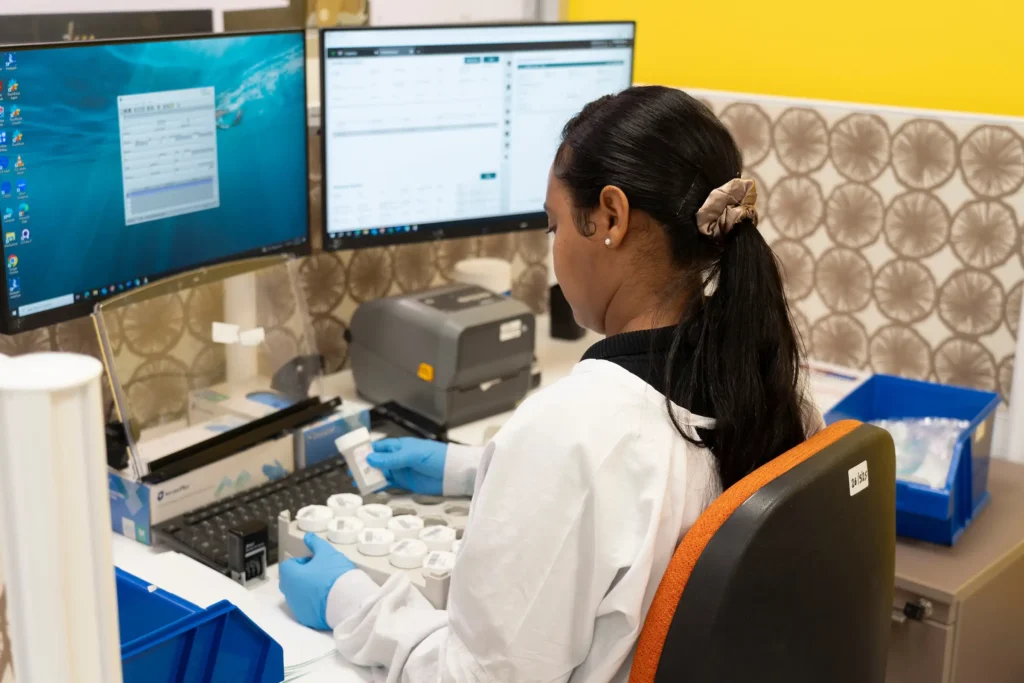
We’re a not – for – profit team leading cervical cancer prevention via public health services, program advice, Indo – Pacific support, and HPV lab work.

A message from our Chair & Executive Director

This year the Australian Centre for the Prevention of Cervical Cancer (ACPCC) celebrates its 60th Year of operation. It is a proud moment for all of us involved in the organisation. Over the decades, we have been at the forefront of cervical cancer prevention, delivering laboratory and registry services, clinical education, screening programs, vaccination registries, and digital health innovations in support of screening and vaccination programs. We can proudly celebrate a Diamond Jubilee of leadership and achievement in cervical cancer prevention. In more recent times, the ACPCC Australian Centre for the Prevention of Cervical Cancer has played a key role in transitioning Australia’s National Cervical Screening Program by providing strategic policy, clinical, and laboratory advice. One of our most important contributions was the provision of technical advice to Government during the radical shift from two-yearly Pap smears to five-yearly HPV tests. This change has significantly improved early detection and prevention outcomes.
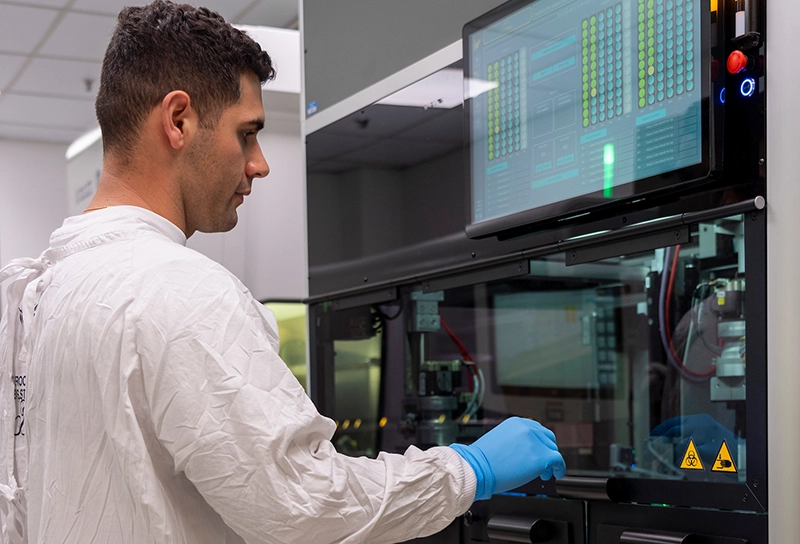
The 2022 introduction of universal self-collection has been a game-changer in testing for HPV Human Papillomavirus. It has increased engagement and satisfaction with screening, especially for those in regional areas, people with disabilities, and Aboriginal and Torres Strait Islander communities.  In September 2024, a nationwide campaign promoting self-collection was launched. As demand grew exponentially the ACPCC Australian Centre for the Prevention of Cervical Cancer led the expert group with resources and training to help support Australian health care providers in offering patients more choice in how they engage with cervical screening. Moreover, we are proud to be the first laboratory in Australia accredited by the National Association of Testing Authorities to process self-collected HPV samples. This accreditation enables us to handle high volumes of samples, which is essential as demand continues to grow. Over the past financial year, the ACPCC Australian Centre for the Prevention of Cervical Cancer, operating under the Victorian Cancer Screening Framework, delivered substantial public health benefits to Victorians through our leadership in cancer screening data, education, and service innovation. The ACPCC Australian Centre for the Prevention of Cervical Cancer’s stewardship of the Victorian Cancer Screening Annual Statistical Report provided the first interactive dataset integrating cervical, bowel, and breast screening metrics in Australia, enabling targeted interventions and policy refinement.  Our collaborative partnerships with the Victorian Aboriginal Community Controlled Health Organisation, BreastScreen Victoria, and Cancer Council Victoria further strengthened workforce capability and community engagement. These efforts collectively enhanced early detection, improved follow-up care, and supported Victoria’s goal of eliminating cervical cancer as a public health problem. The year-long ‘Own It’ campaign was the first national cervical screening campaign in over 25 years. Funded by the Commonwealth Department of Health, and working with key stakeholders, the ACPCC Australian Centre for the Prevention of Cervical Cancer’s role was to deliver the health care provider-facing phase of the campaign. The campaign supported the Government’s policy of increased self-collection, allowing women and people with a cervix to perform their own test privately at their local clinic. Self-collection was disproportionately taken up by under-screened and never-screened people, improving equitable access to cervical screening, as called for in the National Elimination Strategy. ‘Own It’ also supported the National Elimination Strategy by emphasising equity of access to culturally safe and inclusive services. By focusing on Aboriginal and Torres Strait Islander and multicultural communities, as well as people of diverse sexuality and gender identity, the campaign helped close gaps in screening participation and brought us closer to eliminating cervical cancer for all Australians. Australia is on track to be the first country to reach cervical cancer elimination, thanks to effective screening, widespread HPV vaccination, and strong public health leadership. At the ACPCC Australian Centre for the Prevention of Cervical Cancerwe are deeply committed to supporting these programs, and we are working with both national and international partners to meet the WHO World Health Organization’s elimination targets. This year we were listed by WHO World Health Organizationas an HPV Human Papillomavirus Performance Evaluation Laboratory, one of four globally. The Elimination Partnership in the Indo-Pacific for Cervical Cancer consortium is a powerful international collaboration. It brings together leading institutions such as the University of Sydney, the Kirby Institute, Family Planning Australia, and the ACPCC Australian Centre for the Prevention of Cervical Cancer, along with Unitaid and the National Centre for Immunisation Research and Surveillance. With support from the Minderoo Foundation and the Department of Foreign affairs and Trade, we are assisting partner countries across the Asia-Pacific region to implement, expand and sustain cervical cancer elimination programs. We are honoured to be part of a global movement to eliminate cervical cancer. Our work integrates translational research with clinical practice and public health policy. With continued collaboration and innovation, we believe we can ensure that women and people with a cervix everywhere are freed from the fear and the burden of cervical cancer. We are incredibly proud of the work we do. Our 2025 Annual Report highlights this year’s achievements and the work we are continuing to undertake to reach elimination targets in Victoria, Australia and across our region.

Partnerships

Partnerships

Elimination highlights

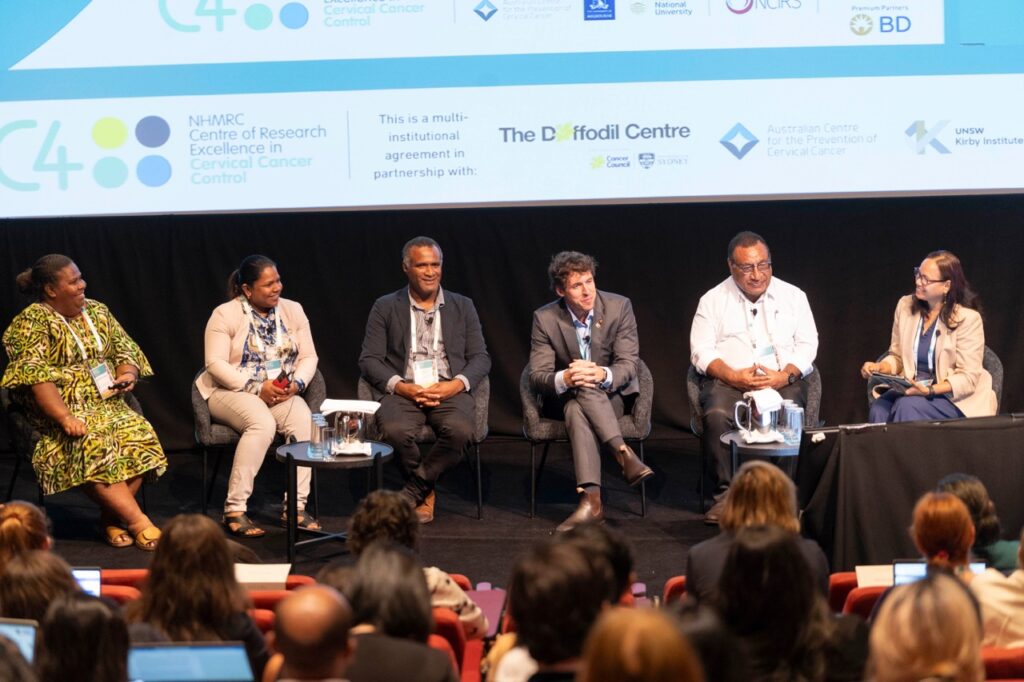
Elimination Partnership in the Indo-Pacific for Cervical Cancer (EPICC) milestones

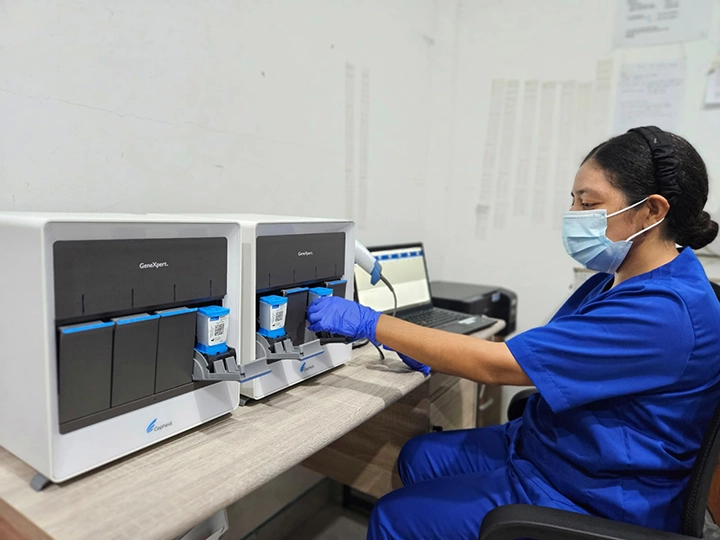
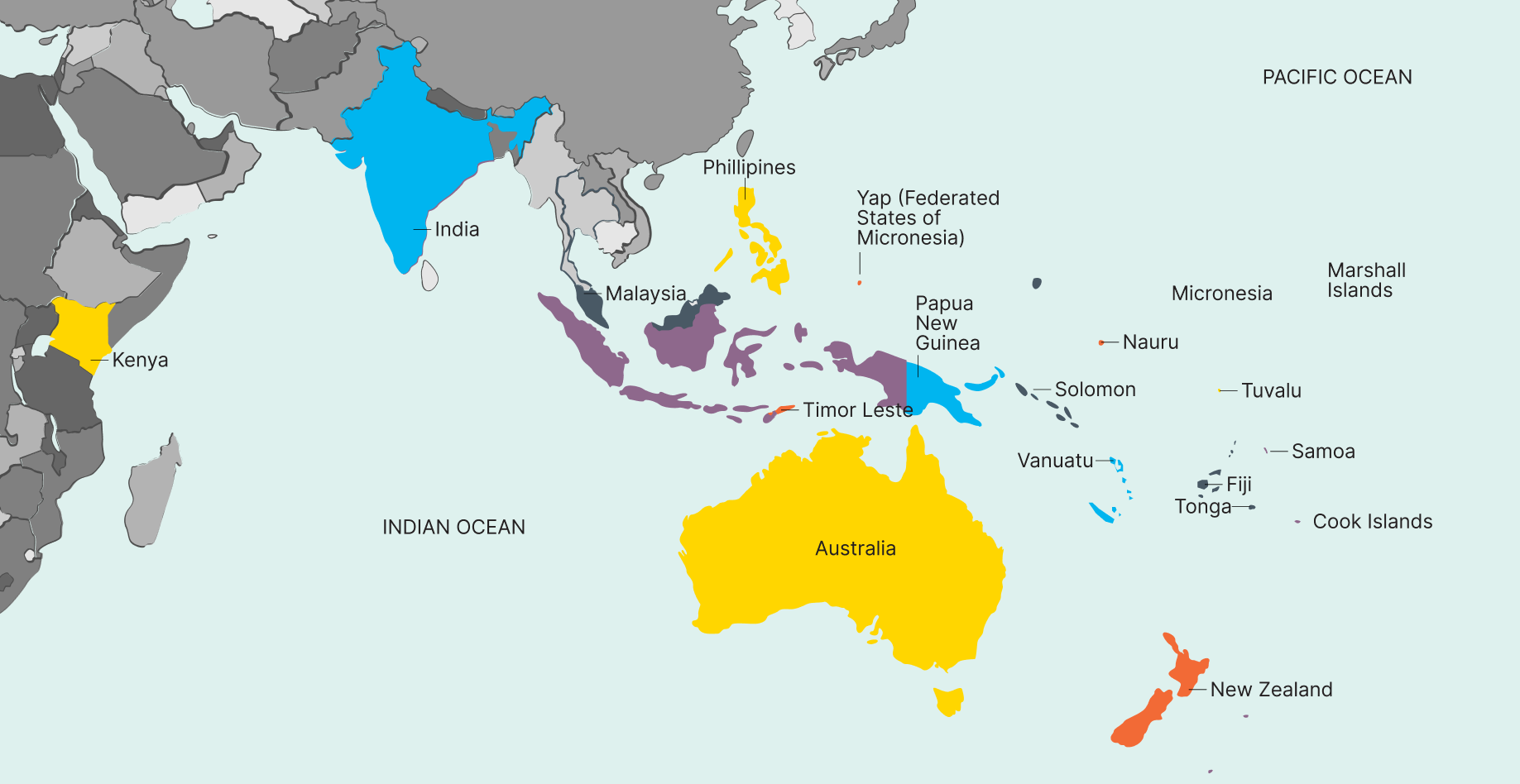
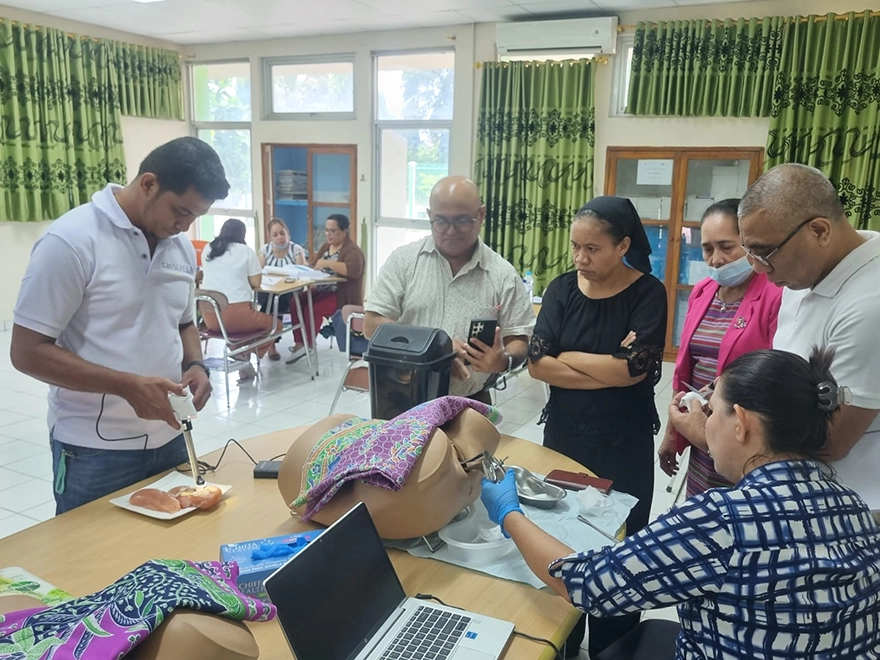
In 2024–2025, the ACPCC Australian Centre for the Prevention of Cervical Cancer played a central role in advancing cervical cancer elimination across eight Indo-Pacific countries through the DFAT Department of Foreign Affairs and Trade-funded EPICC Elimination Partnership in the Indo-Pacific for Cervical Cancerprogram.

Supporting the Own It! campaign

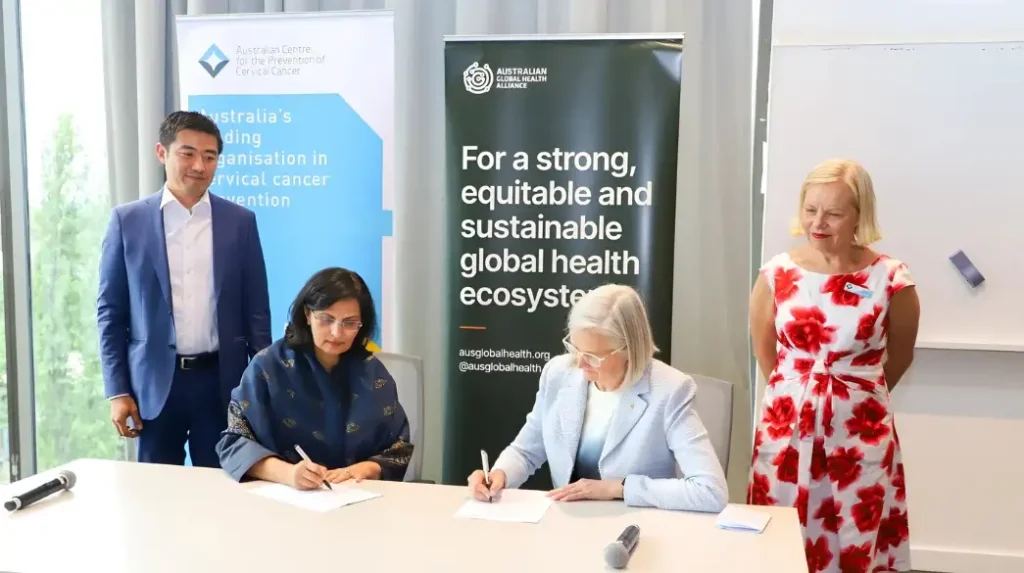
2024 saw the launch of the Own It! Campaign, an Australian Government funded initiative led by ACON, working in close collaboration with several partner organisations (the ACPCC Australian Centre for the Prevention of Cervical Cancer, NACCHO National Aboriginal Community Controlled Health Organisation and the AMHC Australian Multicultural Health Collaborative).

Financial snapshot

A major investment during the financial year has been the implementation of a new Laboratory Information Management System. This has been a significant change management project which has enabled efficiencies and streamlined processes in the laboratory to positively impact on business outcomes.

– Ricki Vinci, our Director of Corporate Services

Download our complete Director’s Report & Financial Information here.

The ACPCC Australian Centre for the Prevention of Cervical Cancer made a significant impact this year across state, federal, and international settings. Here are some of our key achievements from the year, with more detail shared throughout this report.

Strengthening cervical screening worldwide, empowering countries to deliver equitable, data-driven care.

Our Strategic Plan

The ACPCC Australian Centre for the Prevention of Cervical Cancerstrategic plan 2020-2026 was developed by the board of directors in consultation with the executive team.

The nine targets

Nine targets focus on eliminating cervical cancer (Victoria, Australia, Indo – Pacific), increasing self – sampling uptake, supporting bowel cancer screening, sharing research outcomes, diversifying lab tests, leveraging canSCREEN/canVAX platforms, and reshaping the business model.

Strategic Targets

Our people

Board of Directors

Leadership team

Our workforce

Service recognition

Key policies

2OH&S

The ACPCC’s comprehensive health and safety approach directly supports the physical and mental wellbeing of all employees. Health and Safety initiatives conducted throughout the year included influenza vaccinations, warden training, and the promotion of employee mental health and wellbeing. The services of the Employee Assistance Program continued to be used with a total of three sessions provided to employees in the financial year.

Protected: Policy