Support countries in the Indo-Pacific region to scale up to meet the 2030 targets in support of the WHO strategy to eliminate cervical cancer as a public health problem
ACPCC Australian Centre for the Prevention of Cervical CancerGlobal
The ACPCC Australian Centre for the Prevention of Cervical Cancerformalised our international partnerships under the new ACPCC Global brand.
We were also successful in achieving provisional membership as an international non-government organisation, with accreditation body ACFID Australian Council for International Development.
The ACPCC Australian Centre for the Prevention of Cervical Cancercontinues to expand its global footprint, with new cervical cancer elimination initiatives planned across the Pacific. In 2025, we began or scaled up our support in countries throughout the Indo-Pacific. These efforts build on our proven model of laboratory support and digital health infrastructure, ensuring that more countries can access the tools and expertise needed to eliminate cervical cancer.
Hosted by C4NHMRC Centre for Research Excellence in Cervical Cancer Control
, ACPCC Australian Centre for the Prevention of Cervical Cancerwas instrumental in the delivery of the virtual ECC2024 Eliminating Cervical Cancer 2024 Conference conference which brought together around 60 participants from partner organisations under the EPICC Elimination Partnership in the Indo-Pacific for Cervical Cancer program, and from other developing countries to share their expertise and experience with Australian-based participants.
EPICC Elimination Partnership in the Indo-Pacific for Cervical Cancerexpansion
During 2024–2025 the ACPCC Australian Centre for the Prevention of Cervical Cancerwas instrumental in driving cervical cancer elimination efforts across eight Indo-Pacific nations through the DFATDepartment of Foreign Affairs and Trade-funded EPICC Elimination Partnership in the Indo-Pacific for Cervical Cancer program.
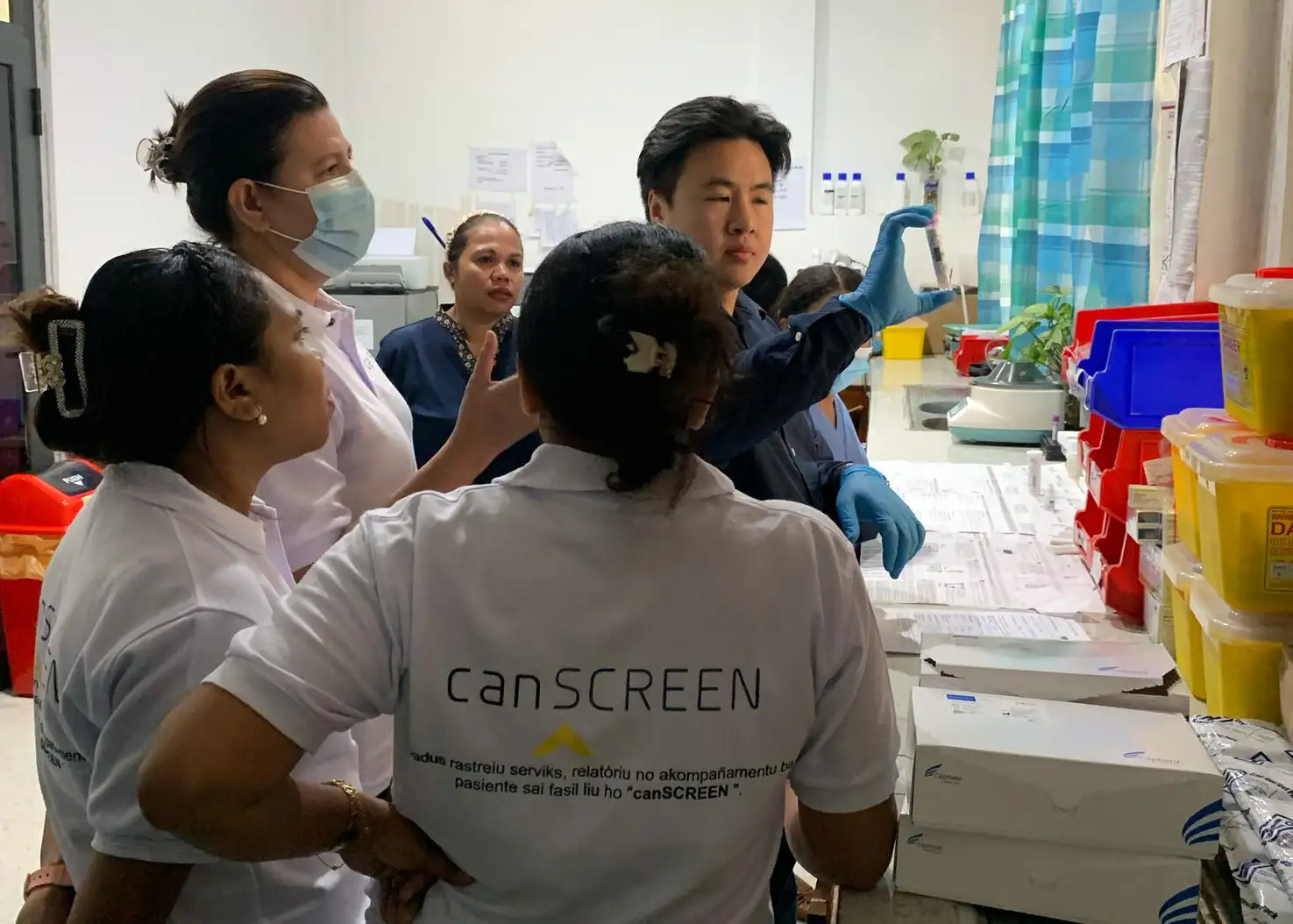
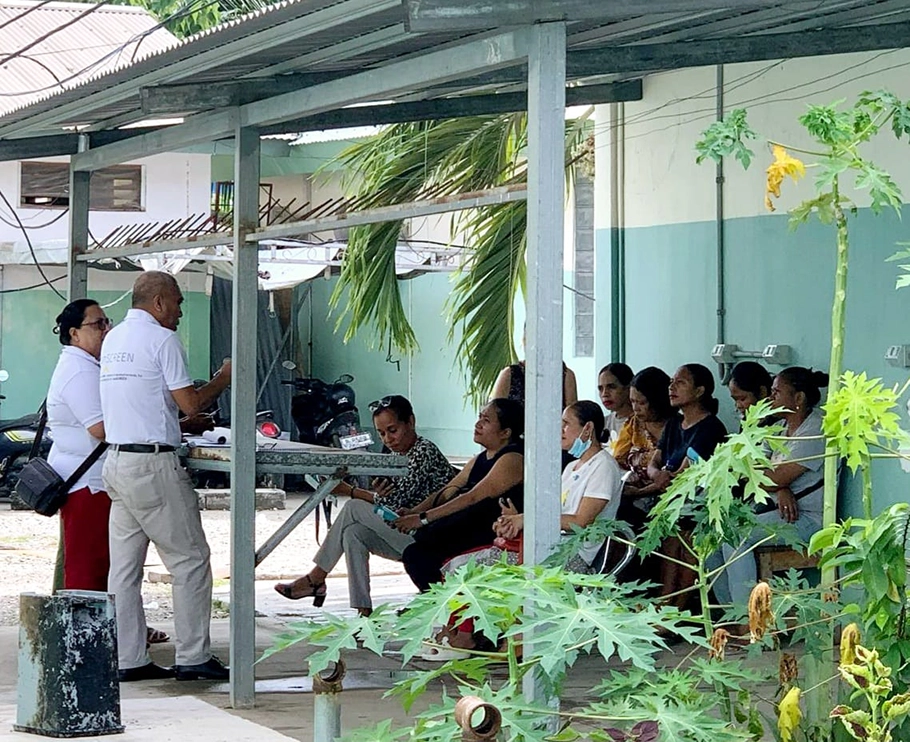
Timor-Leste successfully implemented screening and treatment services following extensive stakeholder engagement and co-design planning.
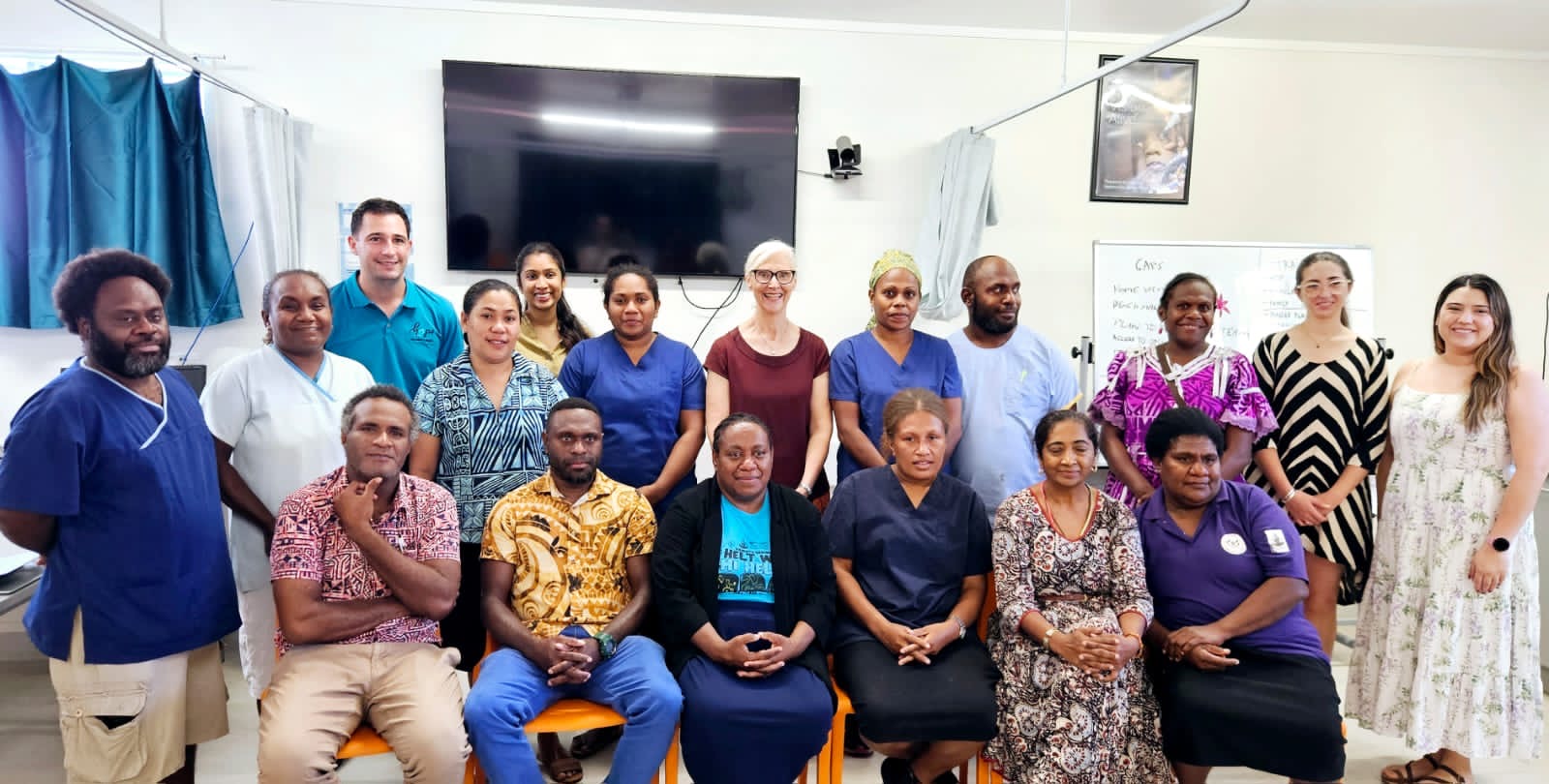
In Vanuatu, over 15,000 women were screened, supported by canSCREEN®, and the government declared a national elimination strategy, the first in the Pacific.
Papua New Guinea and Malaysia expanded programs into new provinces.
Support with laboratory accreditation and canSCREEN® integration work commenced in Nauru, where HPVHuman Papillomavirus-based screening and public education clinics are underway.
The funding from DFAT Department of Foreign Affairs and Tradehas been catalytic for all EPICC Elimination Partnership in the Indo-Pacific for Cervical Cancerconsortium members. The Swire Group have contributed philanthropic funding to the Kirby Institute to expand elimination efforts into other jurisdictions (AdvanCE). The Minderoo Foundation is providing ongoing support and Ministries of Health in the region are also investing.
A major milestone was the launch of the national screening program in Tonga, marking the country’s formal commitment to elimination.
In Fiji, the ACPCC Australian Centre for the Prevention of Cervical Cancersupported a 2,500-patient screen-and-treat trial, which will inform a national rollout scheduled for late 2025.
Across all countries, the ACPCC Australian Centre for the Prevention of Cervical Cancer led laboratory strengthening and digital registry implementation, supporting data-driven follow-up and equitable access to care. These achievements reflect our leadership in building sustainable screening infrastructure and accelerating progress toward the WHO’s 90:70:90 targets.
EPICC Elimination Partnership in the Indo-Pacific for Cervical CancerandProgram ROSE
Between January and June 2025, our partner, the ROSE Foundation formalised a partnership with Malaysia’s MOH Ministry of Health, culminating in the signing of an MOU Memorandum of understanding
in March.
This partnership was enabled and subsequently reinforced through monthly technical meetings with the Family Health Development Division, which facilitated the review and coordination of the country’s current cervical cancer prevention efforts.
These efforts position the ROSE Foundation to transition from service delivery to national technical advisory leadership in cervical cancer elimination.
The ACPCC Australian Centre for the Prevention of Cervical Cancer supported a revised workplan in Malaysia that included education for healthcare providers and colposcopists, and a small-scale demonstration screening program.
The Program ROSE team has now developed a suite of activities that more closely reflect the current needs of the MOH and the respective health system strengthening priorities. This revised set of activities are aimed at supporting effective implementation and building a sustainable ecosystem for cervical cancer prevention. Aligned with the objectives and goals of the EPICC Elimination Partnership in the Indo-Pacific for Cervical Cancerprogram, the updated activities are designed to directly contribute to Malaysia’s national cervical cancer elimination efforts.